Can I Wear My Hearing Aids in the Shower or While Swimming?
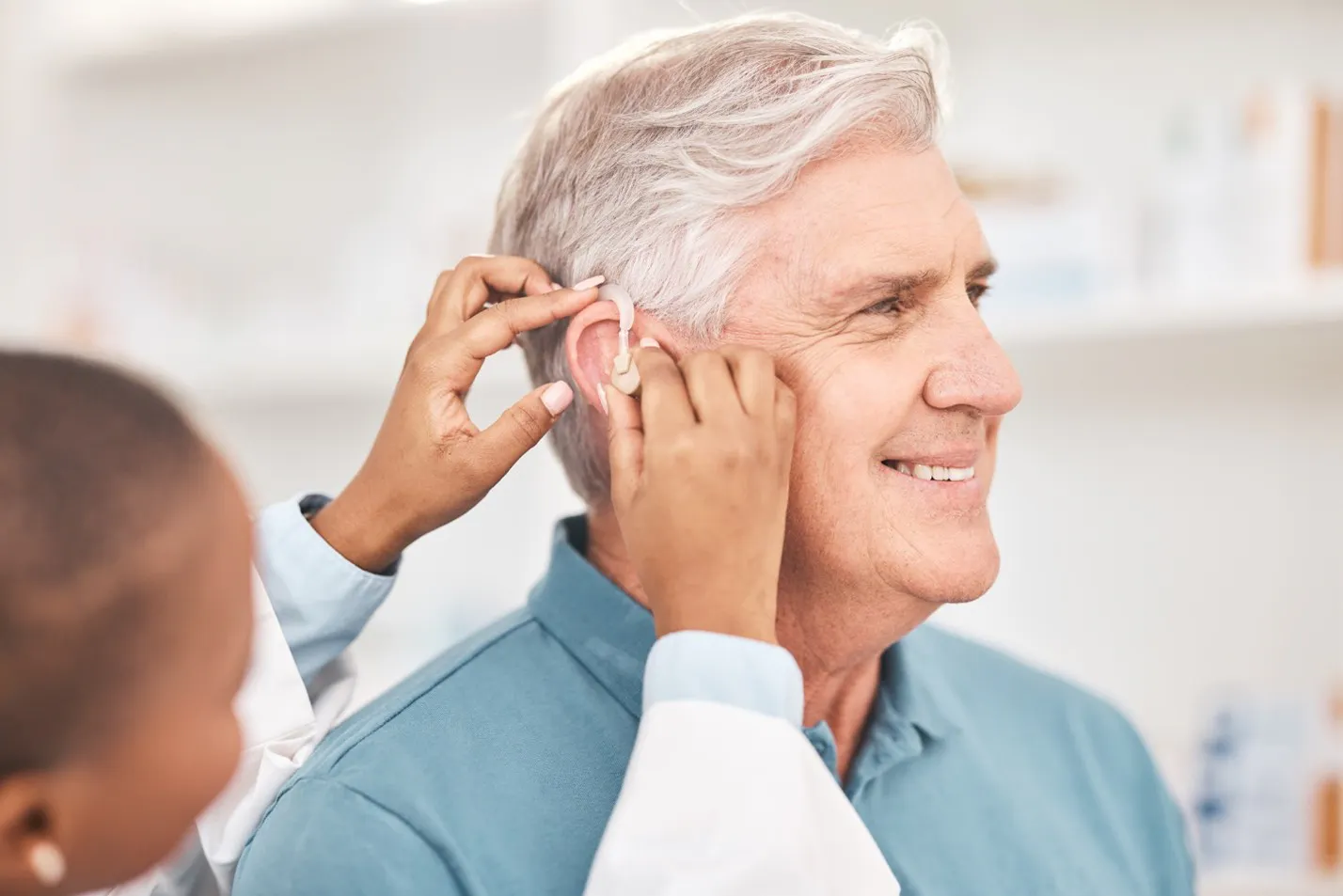
It’s a common question we often hear from our patients. And it’s understandable to ask if hearing aids can get wet and still remain functional. But the short answer is, well, no. While many hearing aids today are engineered to handle sweat or brief exposure to humidity, they aren’t waterproof. So, most hearing aids should never be worn while you’re in the shower or going for a swim.
Water from showers, pools, hot tubs, or the ocean can damage sensitive internal components and impact how your devices perform. In this guide, we’ll explain what “water‑resistant” really means, when moisture becomes a problem, and what to do if your hearing aids get wet.
Are Hearing Aids Waterproof or Water-Resistant?
Despite the remarkable advancements in technology, it's essential to remember that tech gadgets and water aren't compatible. Hearing aids are no exception. Most modern hearing aids are indeed water-resistant, but that doesn’t mean they are fully waterproof. And there’s a clear distinction. Water resistance means the device is protected against brief exposure to sweat, humidity, and the occasional splash. Waterproof devices, which are specially engineered for prolonged submersion, don’t currently exist in hearing aid technology.
Many hearing aid devices include an IP rating that indicates their level of resistance to dust and moisture. But just note that even hearing aids with higher IP ratings can still be damaged by extended exposure to water. So, can you wear hearing aids in the shower? The answer is almost always no.
What Happens If Hearing Aids Get Wet?
When moisture finds its way inside a hearing aid, it can cause anything from performance issues to serious, long‑term damage. Sometimes the effects aren’t always immediate, but even a single incident, like if your hearing aid got wet in the shower, can affect how the device functions. Here’s what water exposure can do to your hearing aid:
- Microphone and Receiver Damage – Moisture can interfere with sound input and output, leading to muffled or distorted audio.
- Performance Issues – Water exposure may cause low volume, inconsistent sound, or complete device failure.
- Internal Corrosion – Trapped moisture can corrode batteries or delicate electronic components over time.
- Shortened Lifespan – Repeated exposure to water can also drastically reduce the lifespan of your hearing aids over time.
What Should You Do If Your Hearing Aids Get Wet?
There’s no way around it – accidents can and do happen. So, what should you do if your hearing aids get wet? First and foremost, don't panic! Here’s how you can limit damage:
1. Remove Your Hearing Aids Immediately – Carefully remove your hearing aids and make sure to power them off.
2. Remove the Batteries – Remove the battery and leave the battery door open.
3. Gently Dry the Exterior – Use a soft, clean cloth to dry the outside of the devices as thoroughly as possible.
4. Place Them In a Dry, Warm Location – With the battery door still ajar, place your hearing aids in a dry, warm place, just not under direct heat.
5. Use a Hearing Aid Dehumidifier – Ideally, you should use a dehumidifier specially designed for hearing aids to safely remove internal moisture.
Avoid using hair dryers, a microwave, or direct heat to dry your devices. Excessive heat can permanently damage hearing aids and worsen internal issues. If your devices are soaked after being submerged in water, you'll likely need hearing aid repair service to prevent further damage. This is why even brief water exposure should be taken seriously, particularly if changes in performance appear days or weeks later.
Are There Hearing Aids Designed for Water Use?
While the industry continues to improve the resilience of hearing aids against moisture, currently, no hearing aids can withstand full immersion in water over an extended period. And that means they aren’t designed to be worn while swimming or showering. Even devices with higher moisture resistance are not intended for full or repeated submersion.
In certain situations, protective accessories or alternative solutions may be appropriate based on your lifestyle. A hearing care professional can help determine whether added protection or specialty options make sense for you. Before exposing any device to water, it’s always best to seek professional guidance rather than assume it’s safe.
Protect Your Hearing Aids – and Your Hearing
Caring for your devices goes hand in hand with protecting your hearing health. If you have questions about moisture exposure, device maintenance, or next steps after an accident, professional support can make all the difference.
At American Medical Hearing Centers, our hearing care professionals provide comprehensive hearing aid services, including cleanings, maintenance, and programming. We proudly offer the same gold standard of care and support across multiple locations in Southwest Florida, Central Florida, and Central Arizona. If you’re unsure about your hearing aid’s water resistance or need expert guidance, schedule an appointment with our team or find a location near you today.
Ready to change your life?
Allow us to change how you experience the world around you. Come in for a free consultation so we can explore options to improve your hearing ability.